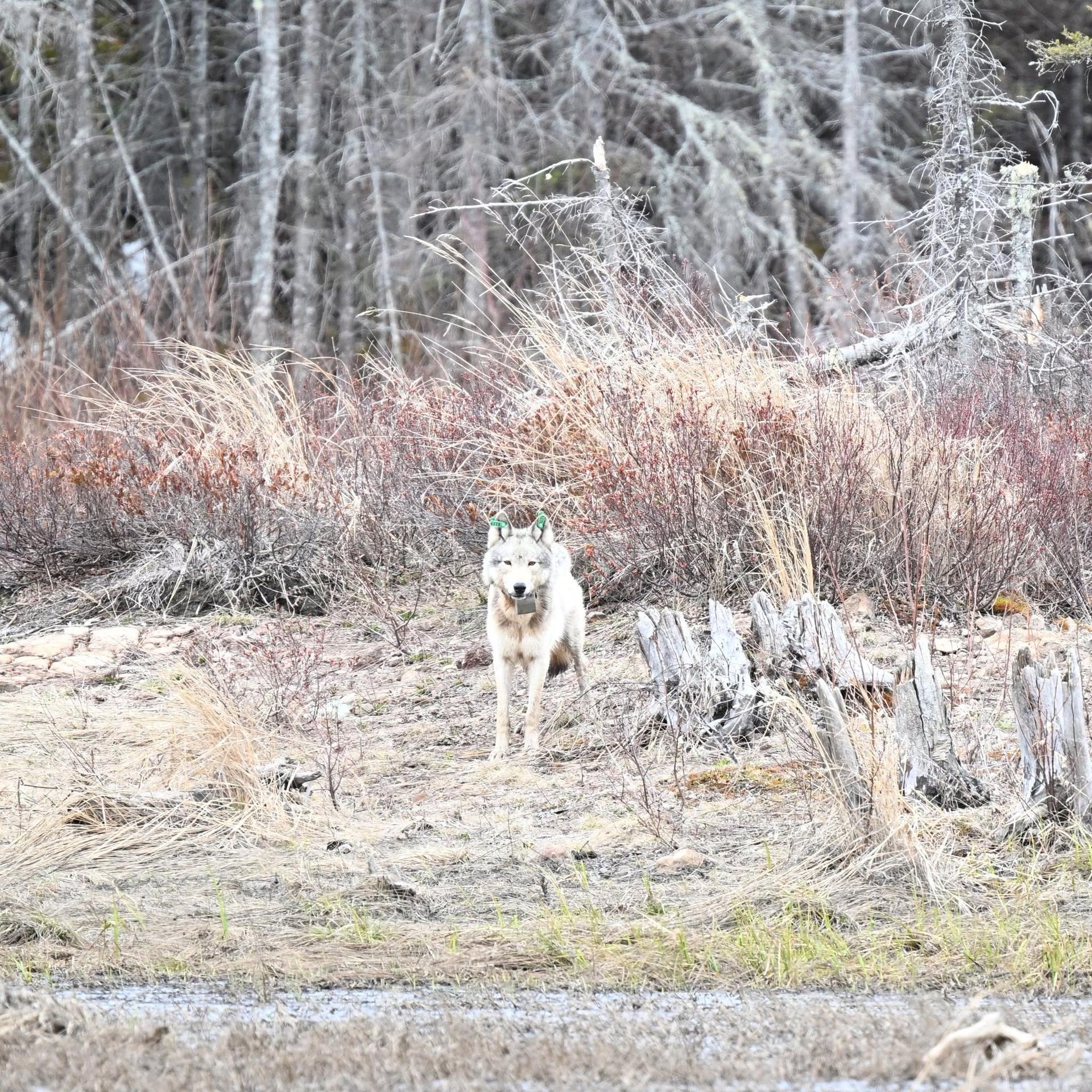
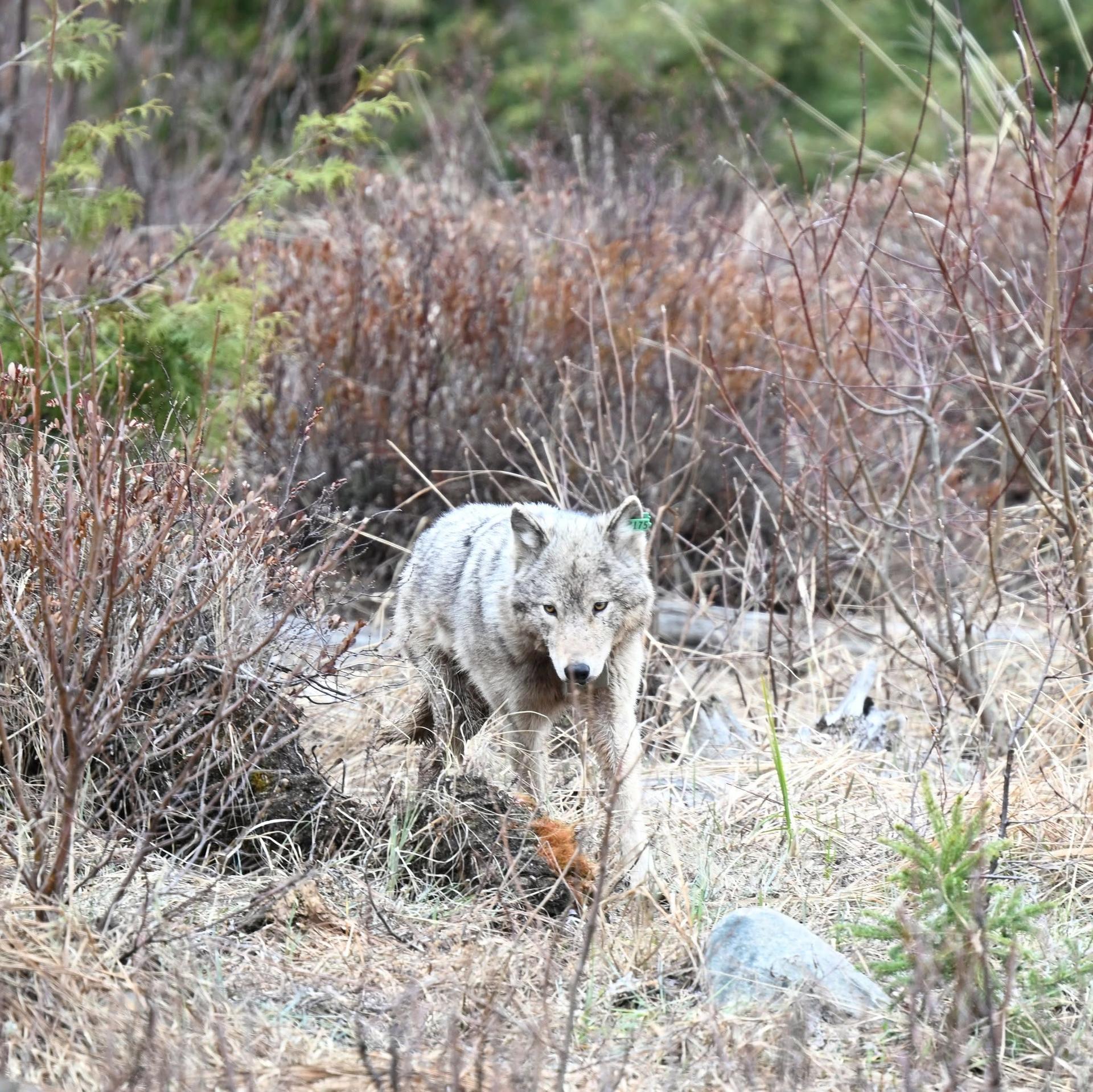
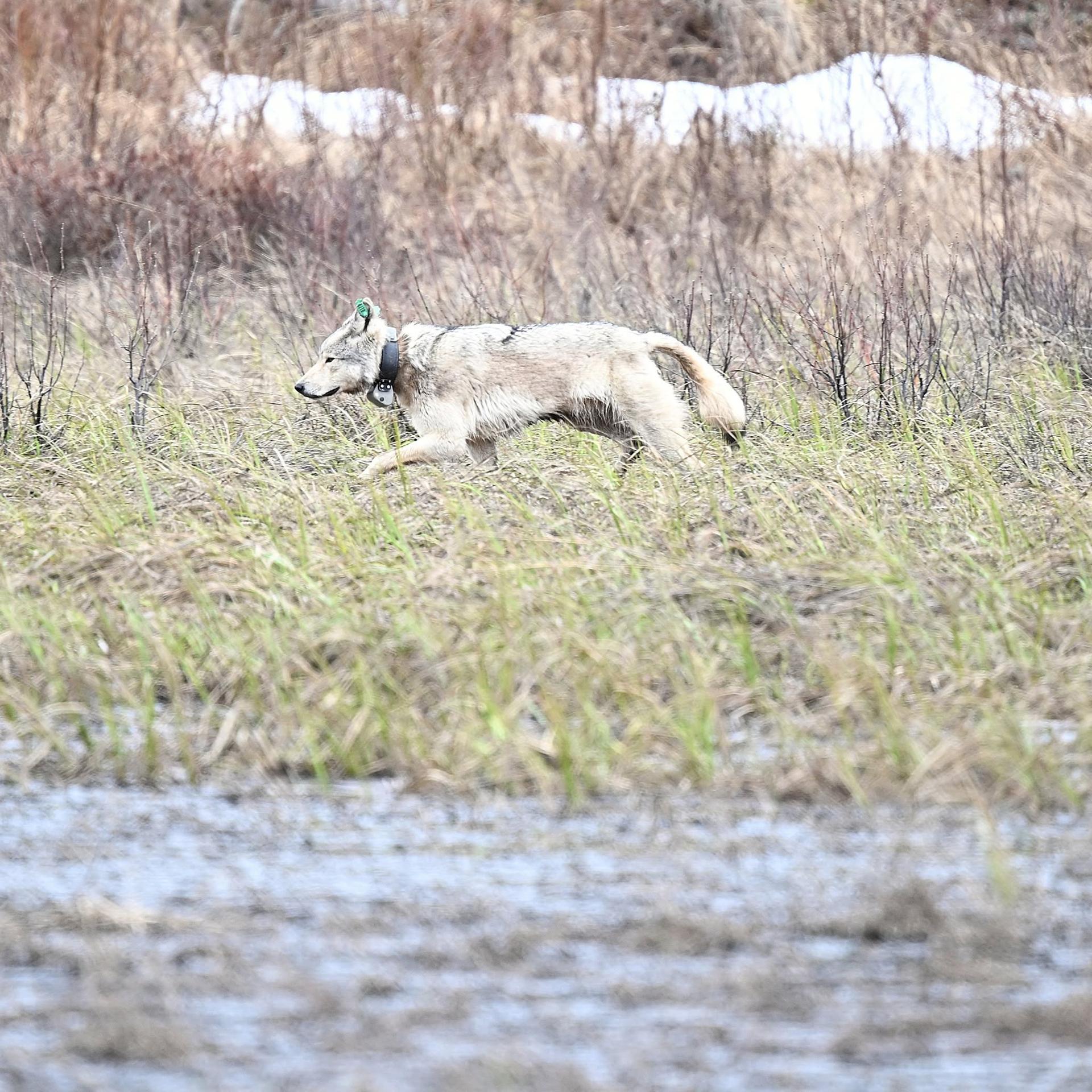
A Visit With a Wolf - May 2026 Photo Credit: Sarah Hoy |
|
|
|
Letter from the President |
|
|
|
|
Jeffrey Holden has been supporting the Wolf-Moose Project since 2002 leading groups searching for moose bones with Moosewatch. Jeff is the author of the recently published Dead Moose on Isle Royale: Off Trail with the Citizen Scientists of the Wolf-Moose Project from Michigan State University Press. Jeff loves the Island and meeting all of the people associated with the Project. Professionally, Jeff was a mild-mannered data guy in healthcare in southeast Michigan.
|
|
|
|
It is mid-year, and I thought it would be instructive to update you on our fundraising efforts. The Wolf-Moose Foundation has been actively fundraising for a little over two years, and in that time we've raised roughly two-thirds of a million dollars. Expenses, on an annual basis, are a little under $15,000. Meaning, in rough numbers, that if we raise $250,000 annually with $15,000 in expenses, 94% of all donations go toward the Project, either for real-time expenses (e.g., supporting Moosewatch and the Summer Study) or building the Endowment. The Foundation is pleased with the progress we've made, and we look forward to continued fundraising progress and success.
|
|
|
|
The Wolf-Moose Foundation's Endowment is managed by Michigan Tech University and currently stands at $400,000 (give or take, depending on market gyrations). For those of you doing the math in your head, you're probably thinking, Where did the other couple hundred thousand go? The Wolf-Moose Foundation is sitting on those funds.
Why are we doing that? Historically, the National Science Foundation (NSF) has provided the majority of grant dollars to support the long-term research efforts of Rolf Peterson, John Vucetich, Sarah Hoy, and the Wolf-Moose Project. Times have changed, and the Wolf-Moose Project is now working without significant funding from the federal level. Funding from the NSF could still come through, but as I write this, funding is uncertain. Meaning, to continue operation, the Project needs the Foundation to be able to support the research efforts with serious cash, liquid cash. Hence, we're sitting on enough funds to support the Project for a year or more.
Why can't the Endowment we've established help support the research now? Simply put, there are strict rules on how Michigan Tech manages those funds: when and how much money can be used from the Endowment. The Endowment, while healthy, is currently not a prime source for day-to-day support for the Project. The Foundation's goal is to establish the Endowment at $2.2 million while simultaneously supporting the Project as needed to bridge any financial gaps that might occur. At $2.2 million, the Endowment could support the Project and its expenses as they arise.
Fundraising so far has been quite successful. But we need to keep going. And it is why we communicate with you: to educate and (hopefully) to entertain and inspire you. We need to keep raising funds for the long-term support of the Wolf-Moose Project. Elsewhere in this newsletter you'll read about an upcoming fundraising campaign we have planned for you, as well as our second Annual Photo Contest. It is you, and supporters like you, who will help us raise funds and support the Wolf-Moose Project, one of the world's premier long-term science studies. As always, thank you for your interest and support. By Jeffrey Holden |
|
|
|
The Science of Isle Royale |
|
|
|
|
Ken Lemieux first visited Isle Royale in 2009. Despite a 36-hour storm, he was smitten and has returned several times. He began participating in Moosewatch in 2022. He’s a husband, father of three, tech writer, and lover of the outdoors. |
|
|
|
Part 3: The Current Wolf Situation on Isle Royale This is the third and final article in a three-part series explaining the wolf situation on Isle Royale. In the previous article, we discussed wolves being captured in Ontario, Michigan, and Minnesota and transported to Isle Royale in 2018–2019. Here, we will discuss the status of Isle Royale wolves as of early 2026 and their impact on the island.
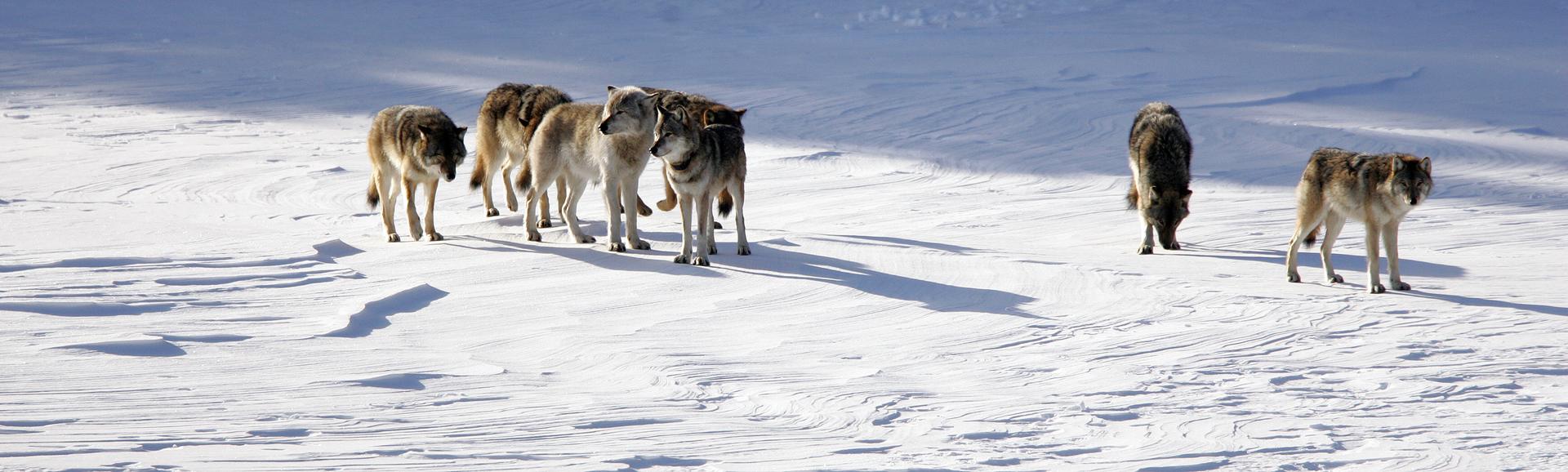
The 2026 Winter Study was recently concluded, and it was found that wolf abundance is 37, the highest number since the 1970s, with three wolf packs on Isle Royale: - The West Pack, consisting of 13 wolves within a territory on the western half of the island
- The East Pack, consisting of 12 wolves
- The Northeast Pack, consisting of 12 wolves
The increased wolf numbers have contributed to a decrease in moose abundance, bringing the moose population down to an estimated 524. In 2018, the wolf population was two, and the moose population was estimated at 2,060 in 2019. The moose population has declined by about 21 percent each year since 2019. One of the most significant findings from the Winter Study is that no moose calves were observed, the first time this has happened in nearly 70 years. This means no new cohort of moose is entering the population, as moose face increased predation and environmental pressures.
One of the hopes for the relocation project was to increase genetic diversity in the Isle Royale wolf population. However, wolves are very territorial animals, which led to significant wolf-on-wolf aggression and considerable mortality among the transported wolves. The end result is domination by the Michipicoten Island wolves and their offspring. All currently characterized wolves have Michipicoten Island ancestry, either mostly or entirely. In a 2019 article on Science.org, population ecologist Brent Patterson of Trent University in Peterborough, Canada, who has been studying the Michipicoten wolves since 2014, believes their larger size, about 50 kilograms, combined with their having previously been a pack, played a role in their success.
|
|
|
|
Third Wolf Released, 2019 Photo Credit: Jim Peaco, NPS |
|
|
|
Also in that article, Christine Mlot stated, “The relocated U.S. mainland wolves were not moose hunters and were generally smaller, although they were considered healthy at the time they were moved to Isle Royale. The circumstances of their deaths have all been different. One Minnesota male died of pneumonia shortly after being moved in fall 2018. The body of another male, from Ontario, was retrieved from a bog in April; it was too decomposed to determine a cause of death. In September, two relocated females died; one from Michigan had an infection and wound from the leg trap used in her capture. The second, introduced from Minnesota in October 2018, died from severe trauma after an attack by another wolf or wolves.”
During the study period in 2026, a solid ice bridge formed between Isle Royale and the mainland. This lasted for about two weeks. Although there was no direct evidence of wolves coming or going, future genetic testing will be the only way to tell for sure. |
|
|
|
An Ice Bridge to the Mainland Photo Credit: Wolf-Moose Project |
|
|
|
Isle Royale Beaver at Sunrise
Photo Credit: Amanda Griggs |
|
|
The increased abundance of wolves has also impacted the beaver population. When the beaver population was checked in 2018, there were approximately 500 active sites. In 2022, the last time they were counted, there were just over 200 active sites. Beavers have a significant impact on the Isle Royale landscape; anyone who has hiked the Greenstone or Minong trails in recent years or camped at Daisy Farm can attest to the work of the busy beavers, as seen in their dams and the ponds they create.
|
|
|
|
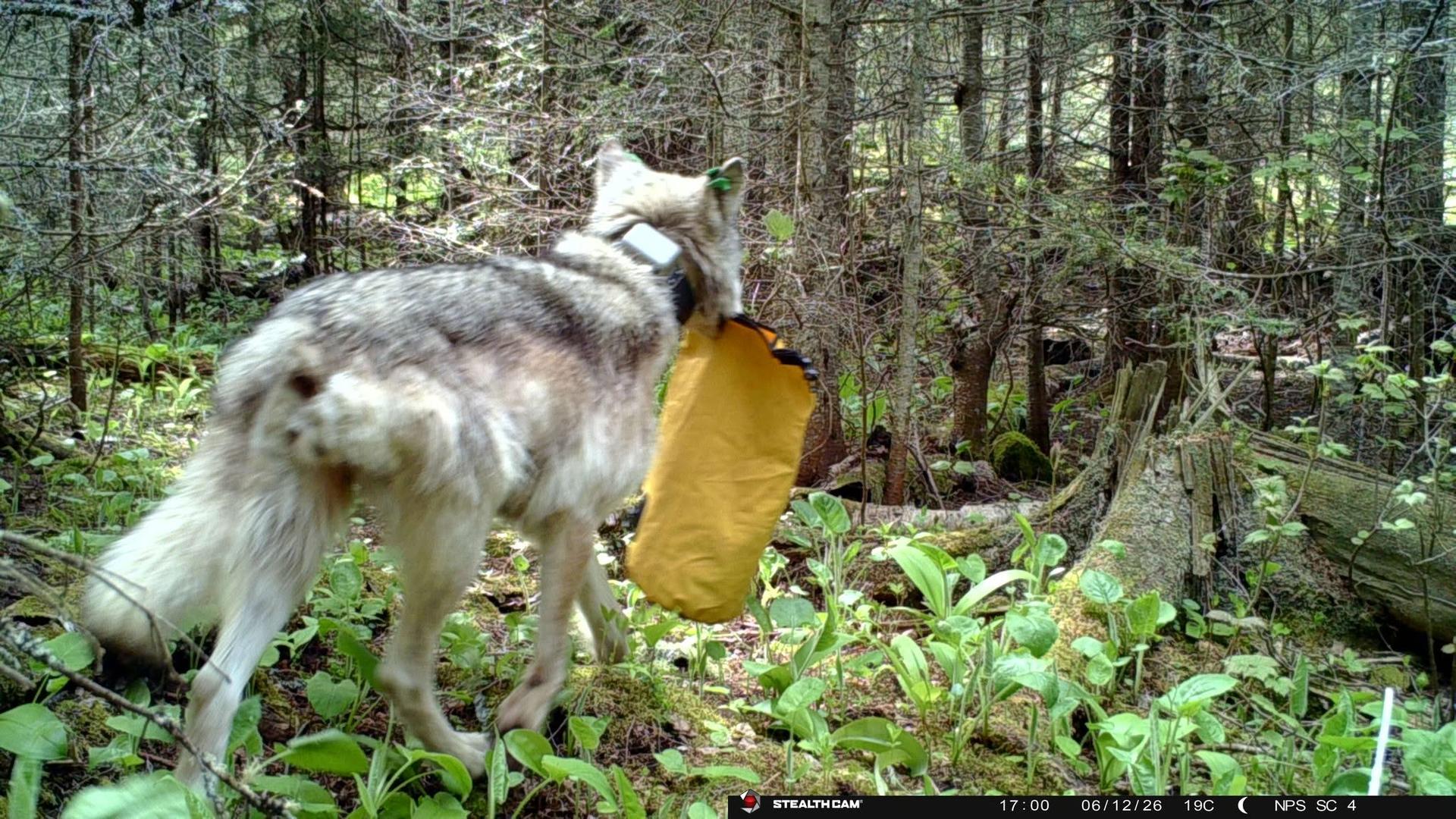
An unintended development following the arrival of new wolves has been that a few individual wolves have become fearless about entering human-dominated areas and searching for food associated with people. In the summer of 2025, one of these wolves had to be euthanized by NPS staff. This has also led to the implementation of new food storage rules. Check the official NPS site for the latest.
Once again, the wolves and moose of Isle Royale prove that nature is unpredictable. |
|
|
|
Wolf Carrying an Unattended Dry Bag from Three Mile Campground
Photo Credit: National Park Service |
|
|
|
The Second Annual Wolf-Moose Foundation Photo Contest Is Here! |
|
|
|
2025 Submission: Morning at Feldtmann
Photo Credit: Tom Voigt | |
|
|
Last year's Photo Contest was such a success that we're doing it again!
Grab your phone, digital camera, or trusty old 35 mm SLR and start looking through your photos. We're searching for great images and the stories behind them. We want to know where you've been, what you've seen, and the moments that made you stop and take the picture. Surprise us. Inspire us. Amaze us.
We'll be sending additional email reminders throughout the contest, so you'll have plenty of opportunities to enter and share your favorite photos.
For complete contest details and official rules, click here. The contest runs from July 15 through August 30. Entries will be judged by the Wolf-Moose Foundation Board, with an additional People's Choice Award determined by voting on our Facebook page.
We can't wait to see what you share! |
|
|
|
2025 Submission: Morning at Feldtmann Lake
Photo Credit: Laura Ruetsche |
|
|
|
|
Moose 6000: The Milestone |
|
|
|
In 1958, the Isle Royale Wolf-Moose Project began on Isle Royale. Then, as now, the remains of each moose found were assigned a sequential number in the autopsy file. By 1970, when Rolf Peterson was a graduate student working on his Ph.D. and became involved in the study, the autopsy numbers were nearing 500.
I knew the autopsy number was near #6000 and thought it would be interesting to write an article about it. At the time I proposed this, I knew nothing other than that the study had reached a significant milestone. I should not have been surprised to learn that Rolf and Candy Peterson performed the examination and filled out the card for this notable moose just as they have been doing for the past 55 years.
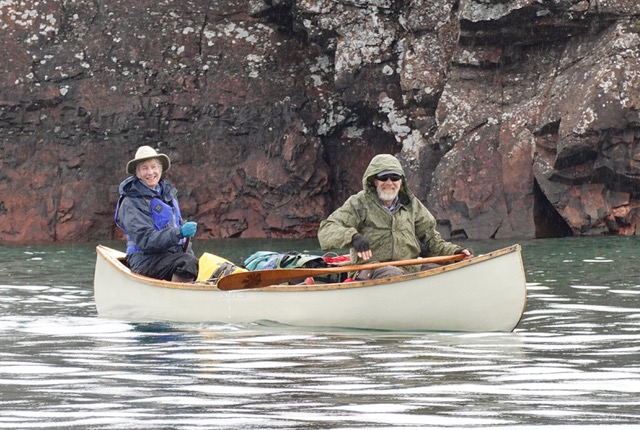
Every year, the Petersons canoe around the island, and as part of their trip, investigate sites where they discover that a moose has died. What became moose #6000 was first reported by John Potter in 2024. Potter regularly circumnavigates the island in his kayak and is always on the lookout for moose carcasses. When Potter reported the bones of this moose, the Petersons had already completed their paddle around Isle Royale. Thus, this target was pushed to 2025. |
|
|
|
Candy and Rolf Peterson Canoeing Around Isle Royale Photo Credit: Wolf-Moose Project |
|
|
|
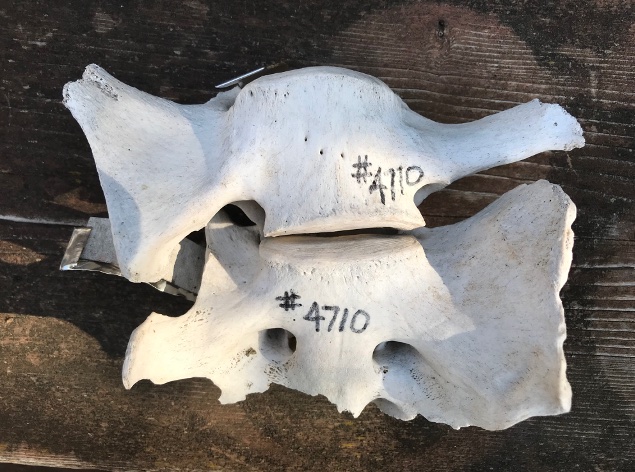
Potter does not use a GPS, so his report of where #6000 was located, based on a detailed verbal description, was accurate. The Petersons determined this was a cow moose that had died of starvation in the winter of 2023 on the north side of Florence Bay, on the north side of Isle Royale. The teeth showed normal wear, and the moose was free of arthritis. Later, after counting the cementum rings in the teeth, it was determined that #6000 died at age 9. Dr. Peterson stated, “Noteworthy was the asymmetry in the L5-S1 joint, the fifth one we have seen in moose since Barrett Warming found one over a decade ago. This is precisely the kind of spinal asymmetry that we found in the wolves after 1994, a product of inbreeding. Recent genetic analyses of Isle Royale moose point to some evidence of inbreeding in Isle Royale moose.” |
|
|
|
A Similar L5-S1 Joint From a Different Moose Photo Credit: Rolf Peterson |
|
|
|
Studies have shown that 58% of wolves (n = 36) on Isle Royale were observed to have congenital bone deformities linked to inbreeding (Räikkönen et al. 2009). By contrast, fewer than 0.5% of Isle Royale moose (n > 480) examined over the last decade were observed to have such bone deformities (RO Peterson, unpublished data). Moose have been isolated on Isle Royale for 120 years, compared to wolves being there for 75 years. The ultimate cause of the spinal deformity in moose #6000, along with the uptick in similar observations over the last decade, is not known. The extent to which inbreeding may be involved, if at all, also remains unknown.
When people ask why the study is still ongoing, discoveries like this advance our knowledge of science and deepen our understanding of the ever-changing wolf and moose populations on Isle Royale. |
|
|
|
Announcing Our Wolf-Moose Collection Fundraiser! |
|
|
|
Unlike traditional fundraisers that simply ask for donations to build the Endowment, this one comes with something extra: unique, limited-edition wolf, moose, and Isle Royale swag.
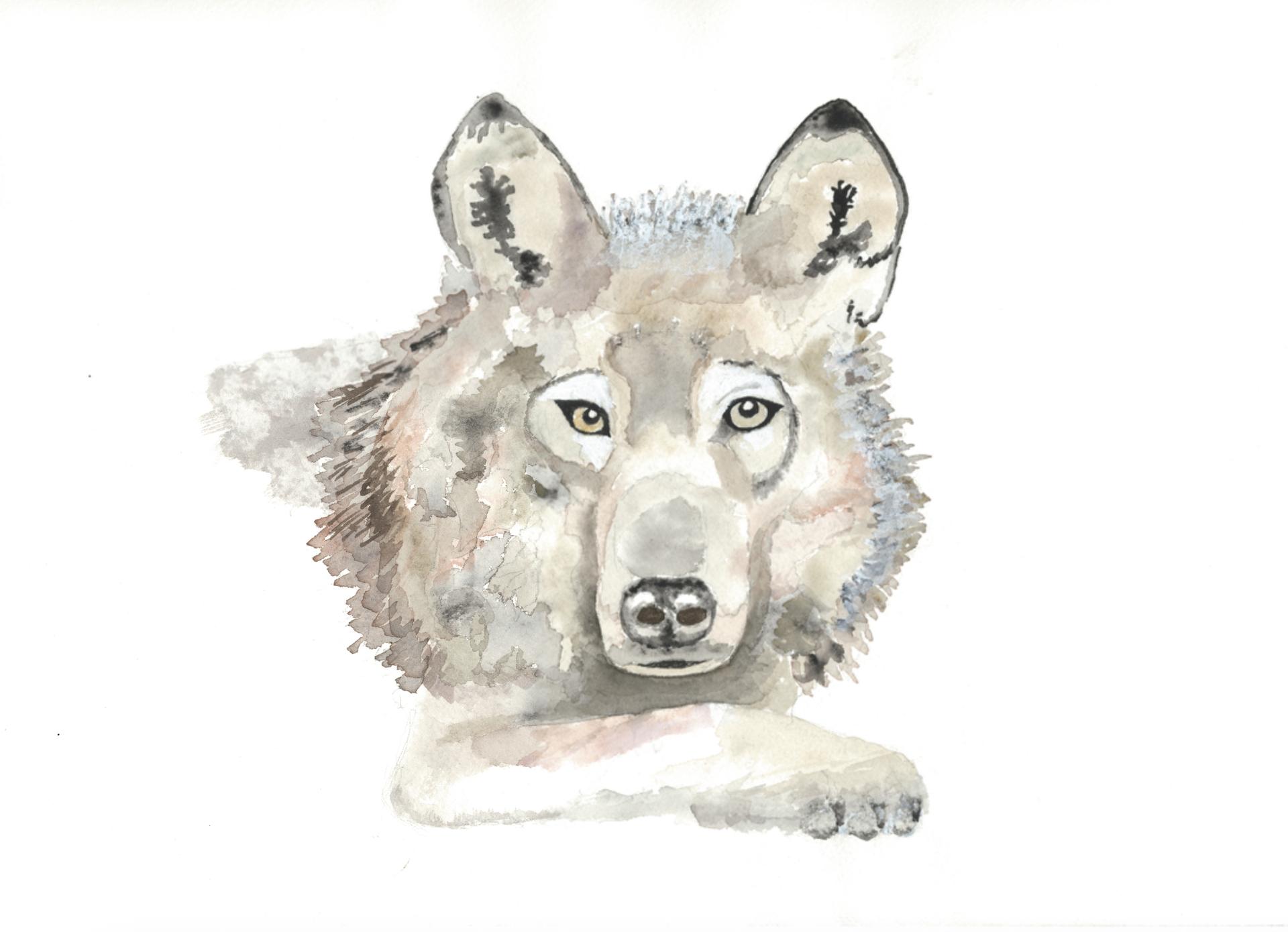
Our goal is to raise $20,000 (or more) through this special collection. Featured items include: - A limited-edition (20 copies) Rolf Peterson watercolor reproduction of a wolf, available for a donation of $350
|
|
|
|
- An
“Old Gray Guy” signed print by Wolf-Moose Project scientists (20 copies), available for $200
|
|
|
|
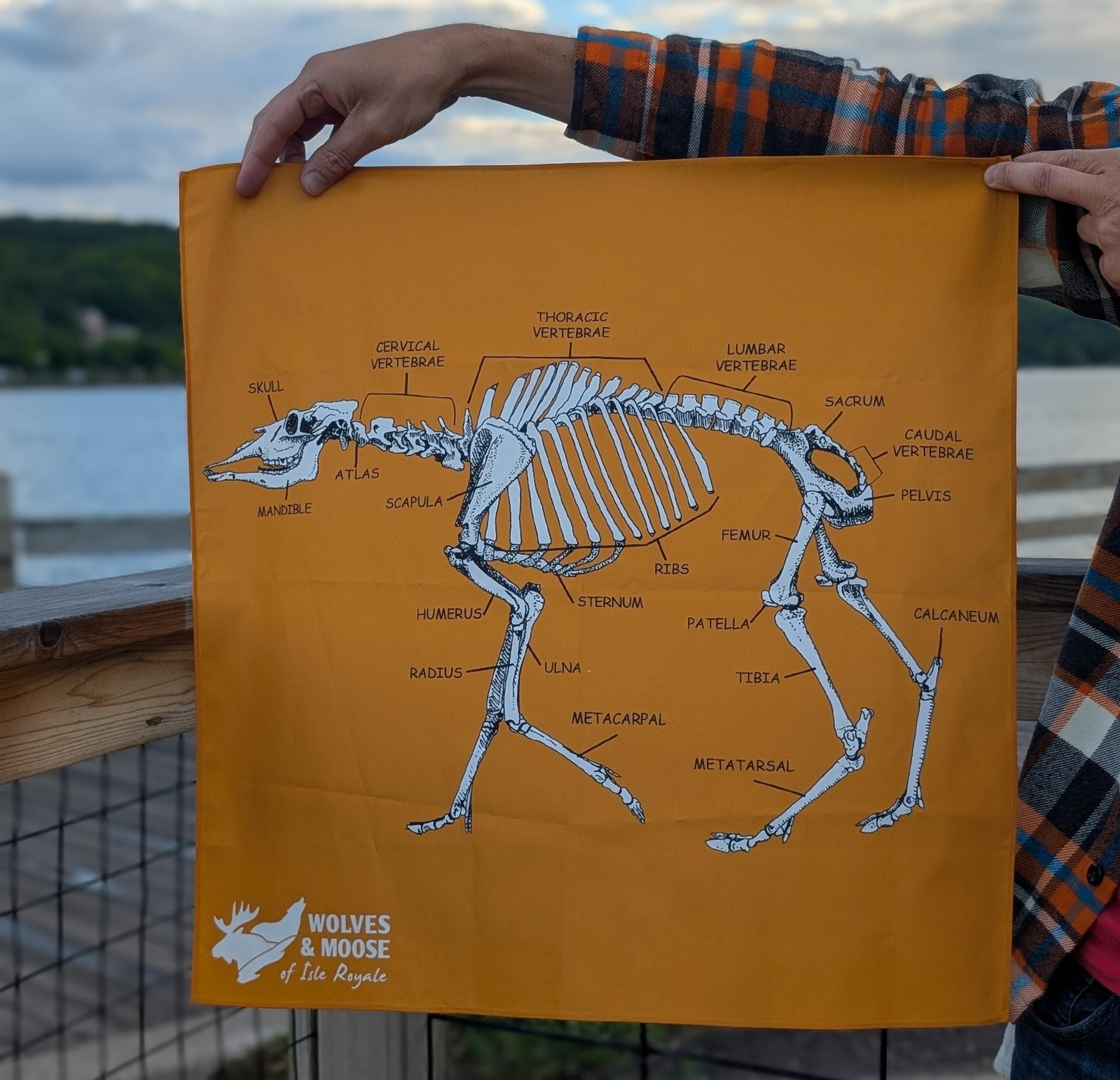
- A Project bandana featuring a moose skeleton, available for $40
|
|
|
|
Moose skeletal illustration courtesy of The Boneman (used with permission) |
|
|
|
Additional wolf, moose, and Isle Royale-themed items are also available for a donation. All items are limited editions and available only for a short time.
We'll be sharing featured items and fundraiser updates throughout the campaign, so be sure to watch your inbox. The fundraiser runs from August 1 through September 5. More information will be shared as we get closer to the start date.
Help us reach our goal of $20,000 in support of the Wolf-Moose Project! |
|
|
|
Welcome to “In the News”—your front-row seat to the latest on wolves, moose, Isle Royale, and beyond. From surprising scientific discoveries to bold conservation efforts across the globe, we’ll keep you informed, intrigued, and maybe even a little amazed by the wild world of wildlife research. |
|
|
|
-
NH moose are under a tick attack. Could changing the way forests are logged help save them? In fall, hordes of winter ticks latch on to New Hampshire’s moose — sometimes upward of 50,000 per adult animal.
-
Moose storms Colorado wildlife officers moments after being freed from backyard play structure. The experience also highlighted how everyday recreational equipment can create hazards for wildlife. Colorado Parks and Wildlife frequently responds to animals becoming entangled in ropes, nets, fencing, and similar materials left outdoors.
-
Cougar sightings surged in Michigan’s Upper Peninsula last year, DNR says. Michigan wildlife researchers documented a dramatic spike in cougar sightings across the Upper Peninsula last year, ultimately confirming 40 animals spotted — far more than initially reported and the highest annual total on record.
-
A gray wolf has entered Sequoia National Park for the first time in a century. It’s just a day in the life of the peripatetic wolf, who was born in far northeastern California in 2023. She’s racked up hundreds of miles since leaving home, all of which appear to be in service of one thing: finding a mate to settle down with. Her continued sojourn suggests she’s still looking.
- Indian and Tibetan wolves found to have important, ancient genetics. “We found that Pakistan is the global hotspot of gray wolf diversity. That is because this location is where all three major lineages of wolves — Indian, Tibetan and Holarctic — come together.”
-
Helping protect Galveston’s ghost wolves. In addition to Galveston Island’s ghost wolves, the signs are expected to benefit many other species that inhabit the island. By alerting drivers to possible wildlife crossings, the signage also helps decrease the risk of wildlife-vehicle collisions that can endanger motorists.
-
Red wolves went extinct in 1980, but their ghost may live on in the coyotes of this Texas island. Yet ghost wolves — these coyotes that have red wolf genes — carry genetic variation that was previously thought to be extinct. This may aid in what Brzeski calls “genetic rescue” for the endangered red wolf.
- Why are Yellowstone wolves 50% heavier than Great Lakes wolves? The average Wyoming wolf is about the size of a Bernese mountain dog, a Wyoming Game and Fish Department biologist wrote. That’s a big wolf.
-
How a precocious mountain lion inspired the world’s largest wildlife crossing. “This is the only place in this entire region where there is protected space on both sides of the freeway,” Pratt says. “It’s the funnel in the hourglass.”
-
River otters are making a comeback — and in surprising places around the Chesapeake Bay. “We have a major conservation success story in terms of restoring a predatory animal that had declined significantly,” said Tom Serfass, a river otter expert at Frostburg State University in Maryland.
|
|
|
|
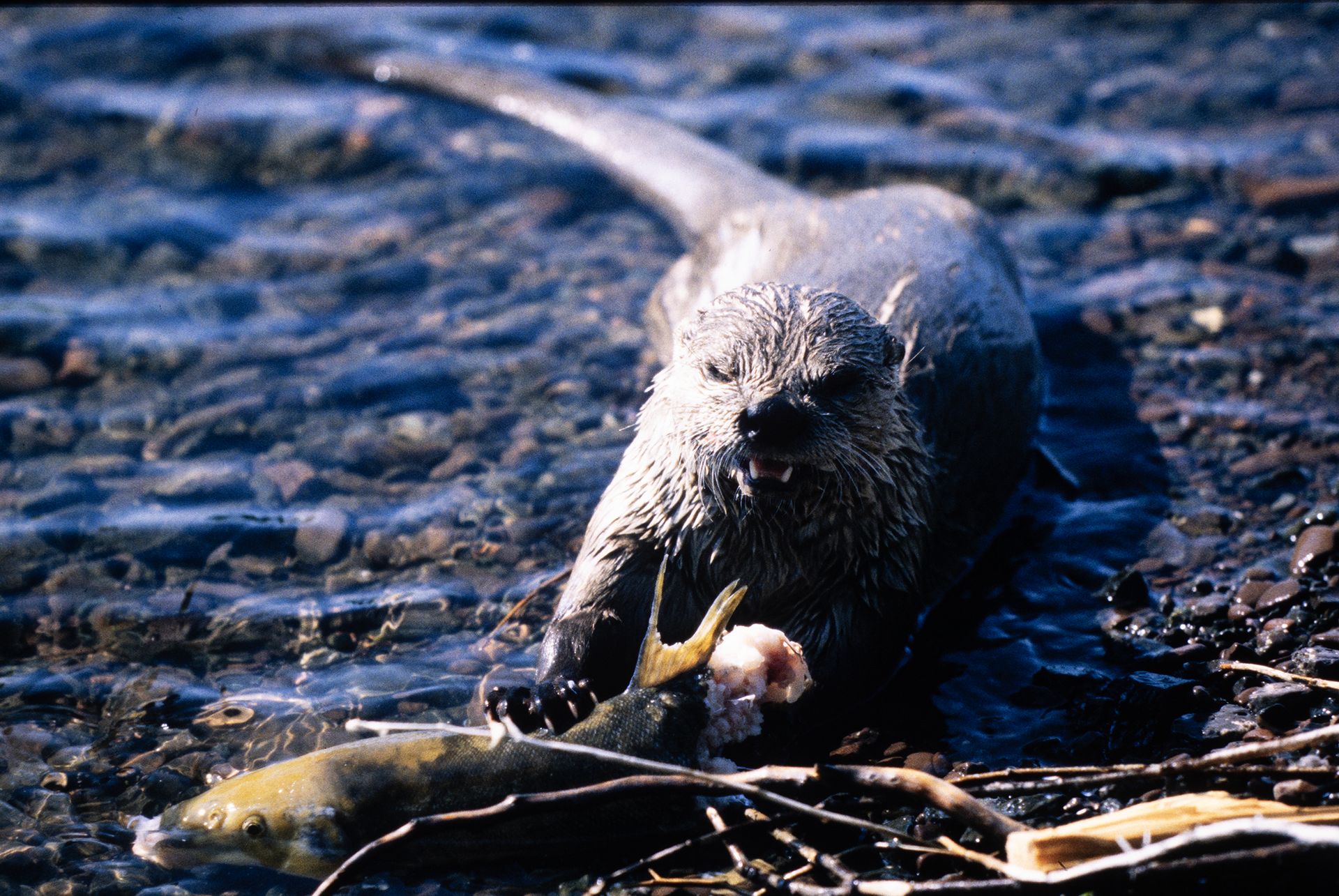
River Otter Eating Sucker, 1996 Photo Credit: Rolf Peterson |
|
|
|
Our Contact Information
*{{Organization Name}}*
*{{Organization Address}}*
*{{Organization Phone}}*
*{{Organization Website}}*
*{{Unsubscribe}}* |
|
| The Wolf-Moose Foundation is a 501(c)(3) tax-exempt charitable nonprofit organization. Our Federal Tax Identification Number is 93-4654981. |
|
|
|
|