
Wolf-Moose Foundation Seminar Series 2026

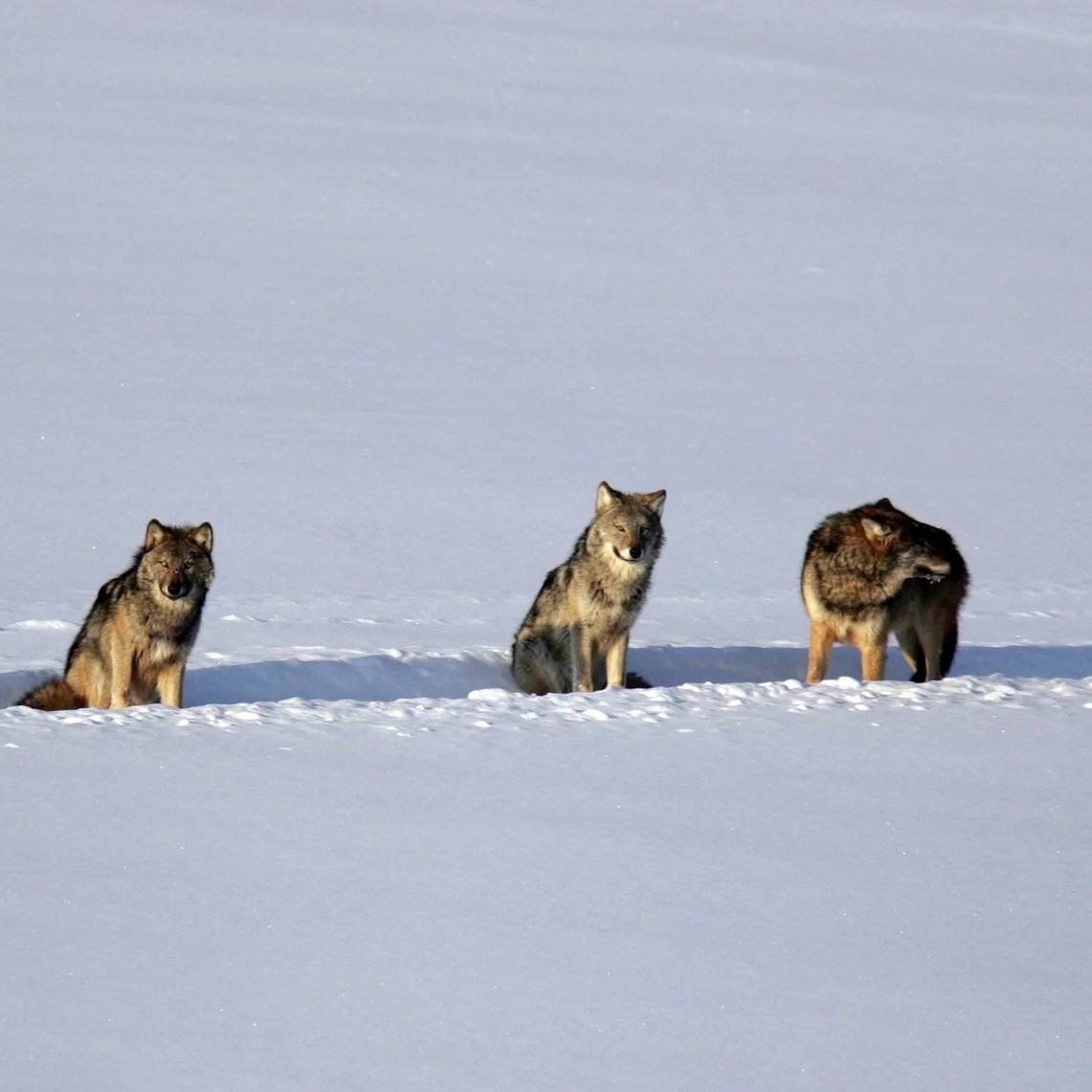
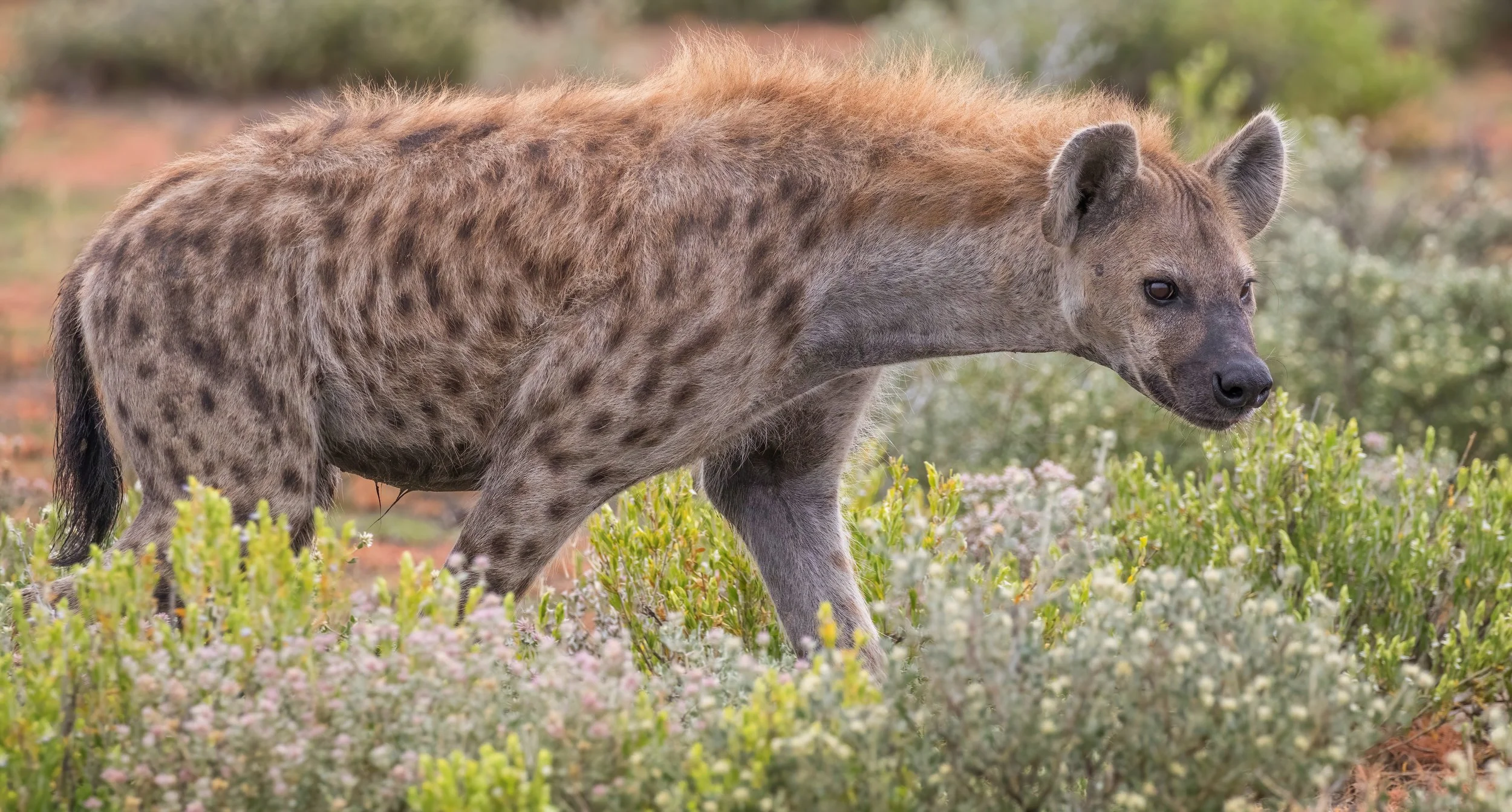
We are proud to offer a series of entertaining and informative events, activities, and resources for our members. These events feature wolves and other carnivores from across the United States and around the world.
Registration is open to Foundation members. If you are not already a member, please become one today to register for these upcoming seminars.
Individual registration is required for each event. Instructions for participation in the seminars will be sent several days prior to the start of each event.
Mark Elbroch
Topic: The Biology and Conservation of Cougars in North America
Date: Tuesday, February 3, 2026, 8pm Eastern, 7pm Central (Virtual)
Overview of Talk: Mark will talk about his research on cougars, which has contributed significantly to radical changes in our understanding of cougars, especially their surprisingly social lives and the far-reaching influences they have on the ecosystems they inhabit. Mark will also talk about the history of cougars in North America – their persecuted past, their subsequent and partial recovery, and their future prospects for coexisting with humans
Biography: Dr. Elbroch is Director of the Puma Program for Panthera, a global science organization focused on conserving wild cats and the habitat upon which they depend. Mark’s research on cougars was the central storyline of the BBC film, Big Cats in High Places, and NatGeo Wild’s Cougars Undercover.
He received a 2011 Robert and Patricia Switzer Fellowship for his past and potential environmental leadership, and he was the recipient of the prestigious Craighead Conservation Award in 2016 for work that has achieved “lasting conservation outcomes.” Mark was also awarded a Senior Tracker Certificate by CyberTracker Conservation in Kruger National Park, South Africa, after successfully following lions across varied terrain. His certificate was the 17th ever awarded and the first to a non-African. He has also authored 10 books on natural history, including several field guides to animal tracking that won National Outdoor Book Awards.
Mark lives with his children on the Olympic Peninsula in the Pacific Northwest.

Kay E. Holekamp
Topic: The Biology and Conservation of Spotted Hyenas
Date: Tuesday March 3, 2026, 8pm Eastern, 7pm Central (Virtual)
Overview of Talk: Kay will talk about her research on spotted hyenas. She has studied just about every angle of these creatures’ ecology and life history, including their hunting ecology, reproductive strategies, endocrinology, and social structure. Spotted hyenas live in social groups called clans. Given the size and organization of hyena clans, they offer a fascinating glimpse into the social intelligence of nonhuman animals such as baboons or chimpanzees.
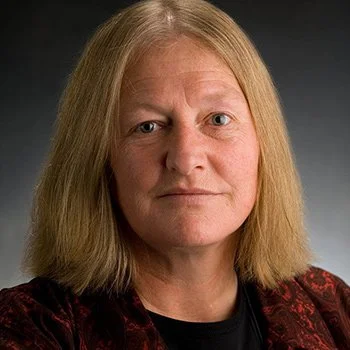
Biography: Kay Holecamp is a recently retired Distinguished Professor at Michigan State University. She received her undergraduate degree in 1973 from Smith College, where she wrote her honors thesis on the behavior of Linnaeus's mouse opossum. After Smith College, Holekamp hitchhiked around the world and spent some time as a river guide in Amazonas. Then Holekamp earned a PhD in 1983 from the University of California, Berkeley. There and in the years that followed, she studied the dispersal behavior and endocrinology of Belding's ground squirrels living in the Sierra Nevada of California. Holekamp also directed the Mara Hyena Project in southwestern Kenya from 1988 to 2025.
Professor Holecamp has been honored many times for her contributions to science. To name just a few, she has been a Guggenheim Fellow; was elected as a Fellow of the American Association for the Advancement of Science; was inducted as a Fellow of the American Academy of Arts and Sciences; was elected by the American Society of Mammalogists to Honorary Membership, which is the Society's highest honor; and was the recipient of the Distinguished Animal Behaviorist Award from the Animal Behavior Society, for a lifetime of achievement.
John Vucetich
Topic: Wolves and the U. S. Endangered Species Act
Overview of Talk: For more than two decades, wolves have bounced between being protected – and not – by the U. S. Endangered Species Act (ESA). That law is the United States’ primary policy instrument for combating the biodiversity crisis. The erratic protection of wolves by the ESA is indicative of a deep problem that goes far beyond wolves. Wolves have long made a habit of exposing the most fraught facets of our relationship with nature – in general. In this presentation, Professor Vucetich explains how wolves expose the difficulty we have answering an especially basic question, what is an endangered species?
Date: Tuesday, April 7, 2026, 8pm Eastern, 7pm Central (Virtual)
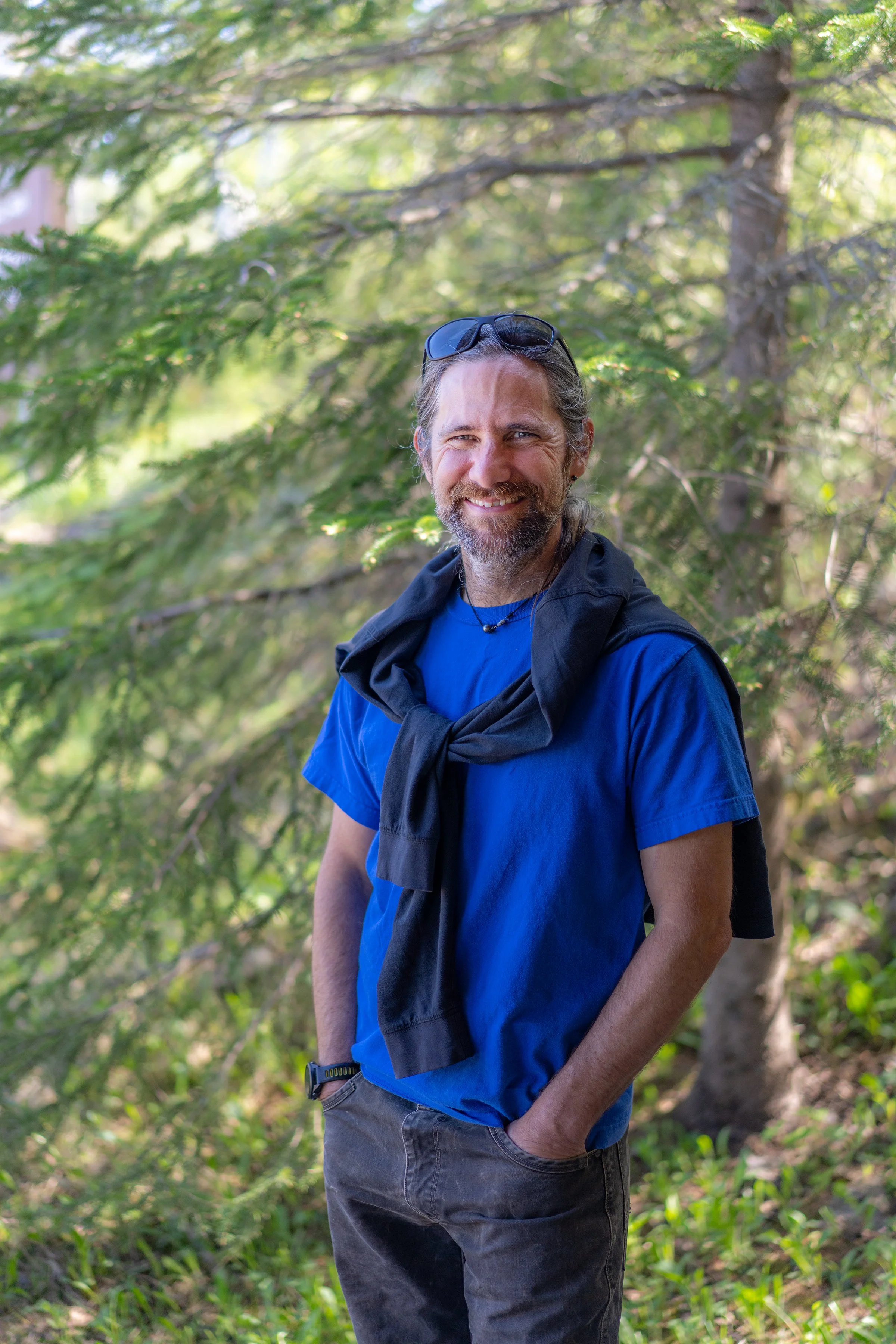
Biography: John Vucetich has been co-leading research on the wolves and moose of Isle Royale since 2000. He is also a distinguished professor at Michigan Technological University, where he teaches courses on population biology and environmental ethics. He is the author of more than 200 papers that have been cited by scholars around the world more than 10,000 times. He is the author two books, Restoring The Balance: What Wolves Tell Us About Our Relationship With Nature (2021) and The Biology And Conservation of Animal Populations (2024). He’s written for the New York Times, Natural History, and the Huffington Post. He’s testified before both houses of the U.S. Congress on wolf conservation and the U.S. Endangered Species Act. He is frequently sought by governments and NGOs around the world for insight on carnivore conservation.
Priority "seating" will be given to Foundation Members for all talks and presentations. Don’t miss this opportunity to engage with leading experts and dive deeper into the fascinating research taking place on Isle Royale and beyond!
